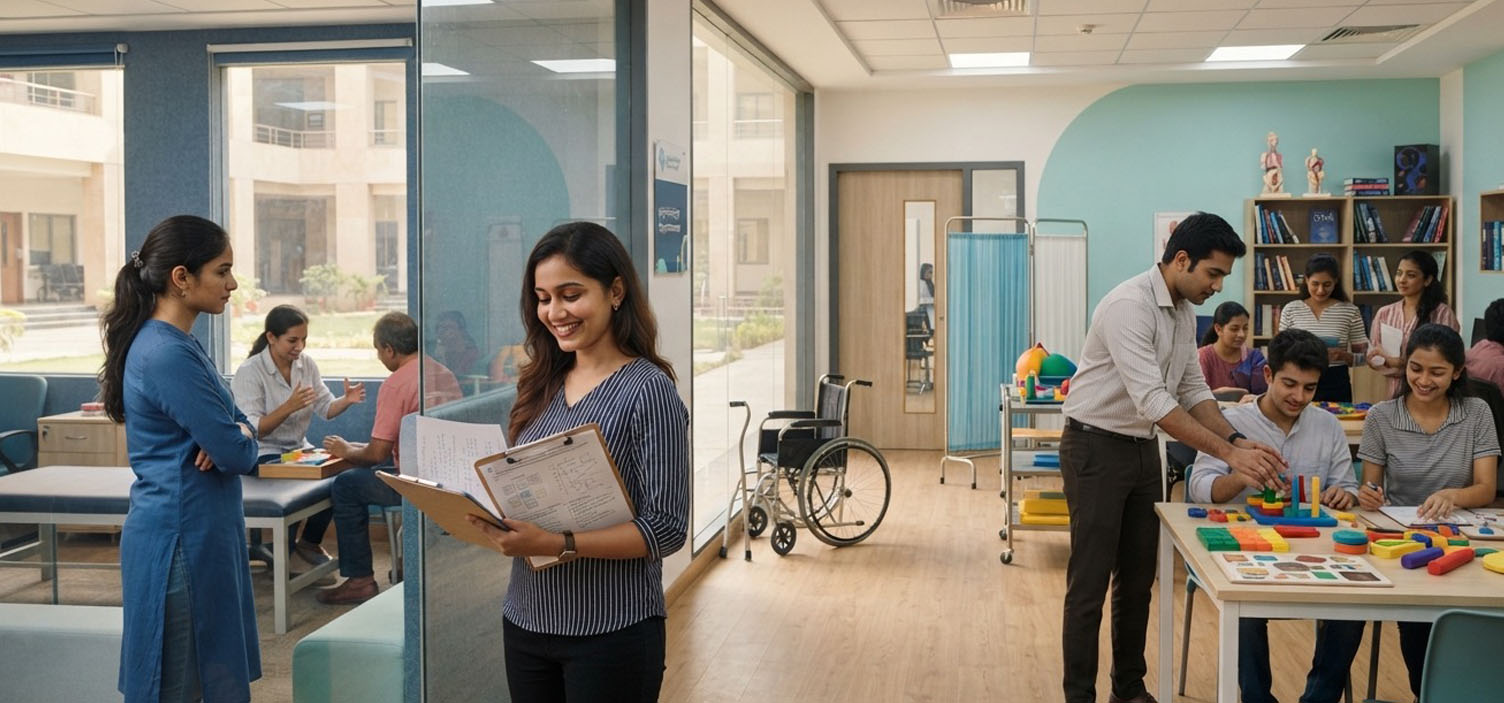
PGDRP Course – Build a Rewarding Career with a Post Graduate Diploma in Rehabilitation Psychology
Introduction
Mental health and rehabilitation have become important parts of healthcare and social development. People recovering from physical injuries, emotional challenges, developmental disorders, or psychological conditions need trained professionals who can guide and support them. This growing need has increased the demand for skilled rehabilitation professionals across hospitals, clinics, schools, NGOs, and rehabilitation center.
A PGDRP course is designed for students and professionals who want to develop practical knowledge and career-ready skills in rehabilitation psychology. This program combines psychological concepts with rehabilitation practices, helping learners understand how to support individuals with different emotional, behavioral, and developmental needs.
Whether you are planning to build a career in counselling, rehabilitation, education, or healthcare, a post graduate diploma in psychology with a rehabilitation focus can provide the knowledge and confidence required to make a positive difference.

About the PGDRP Course
The PGDRP course is a professional program that focuses on rehabilitation psychology and counselling practices. It prepares students to understand human behaviour, mental health concerns, disability management, counselling techniques, and rehabilitation planning.
A rehabilitation psychology course helps learners understand how psychological support can improve the quality of life for individuals facing physical, emotional, cognitive, or developmental challenges. The curriculum generally combines theoretical learning with practical exposure, allowing students to develop communication, assessment, counselling, and rehabilitation skills.
Many students looking for a postgraduate diploma psychology program choose this course because it offers practical career opportunities in healthcare and community services. It is also suitable for graduates who wish to continue higher studies or specialise further in psychology and rehabilitation.
Before applying, students often search for PGDRP eligibility. Although eligibility may differ between institutions, most programs require candidates to have completed their graduation from a recognised university.
Types of Learning Available in the PGDRP Course
Different institutions may offer the PGDRP course in various learning formats to suit the needs of students.

Classroom Learning
Traditional classroom sessions provide direct interaction with faculty, group discussions, practical demonstrations, and classroom activities.

Online Learning
Many institutions now offer online learning options, allowing students to study from home while balancing work or personal commitments.

Hybrid Learning
Hybrid learning combines online classes with practical classroom sessions, offering flexibility along with hands-on experience.

Practical Training
Practical exposure is an important part of any rehabilitation psychology course. Students may participate in case studies, counselling practice, rehabilitation planning, and supervised fieldwork to gain real-world experience.
Benefits of Choosing the PGDRP Course
Career-Oriented Learning
The PGDRP course focuses on practical skills that prepare students for professional roles in rehabilitation and counselling.
Better Understanding of Human Behaviour
Students develop a deeper understanding of emotions, behaviour, personality, learning difficulties, and psychological disorders.
Growing Career Opportunities
With increasing awareness of mental health, professionals with a psychology postgraduate diploma are finding opportunities across various sectors.
Practical Counselling Skills
The course helps students learn counselling techniques, communication skills, assessment methods, and rehabilitation planning.
Foundation for Higher Studies
A Post Graduate Diploma in Rehabilitation Psychology can serve as a strong academic foundation for advanced education and specialised training in psychology.
Opportunity to Make a Difference
Professionals working in rehabilitation psychology support individuals in overcoming challenges and improving their quality of life, making this career personally fulfilling.
Why Choose DIST?
DIST focuses on providing quality education that combines academic learning with practical experience. The objective is not only to teach theoretical concepts but also to help students develop professional skills that are useful in real-life situations.
Students choosing DIST for the PGDRP course benefit from:
• Experienced faculty members
• Practical and career-focused learning
• Updated curriculum based on industry needs
• Interactive classroom sessions
• Skill-based training
• Supportive learning environment
• Focus on ethical counselling practices
• Guidance for career development
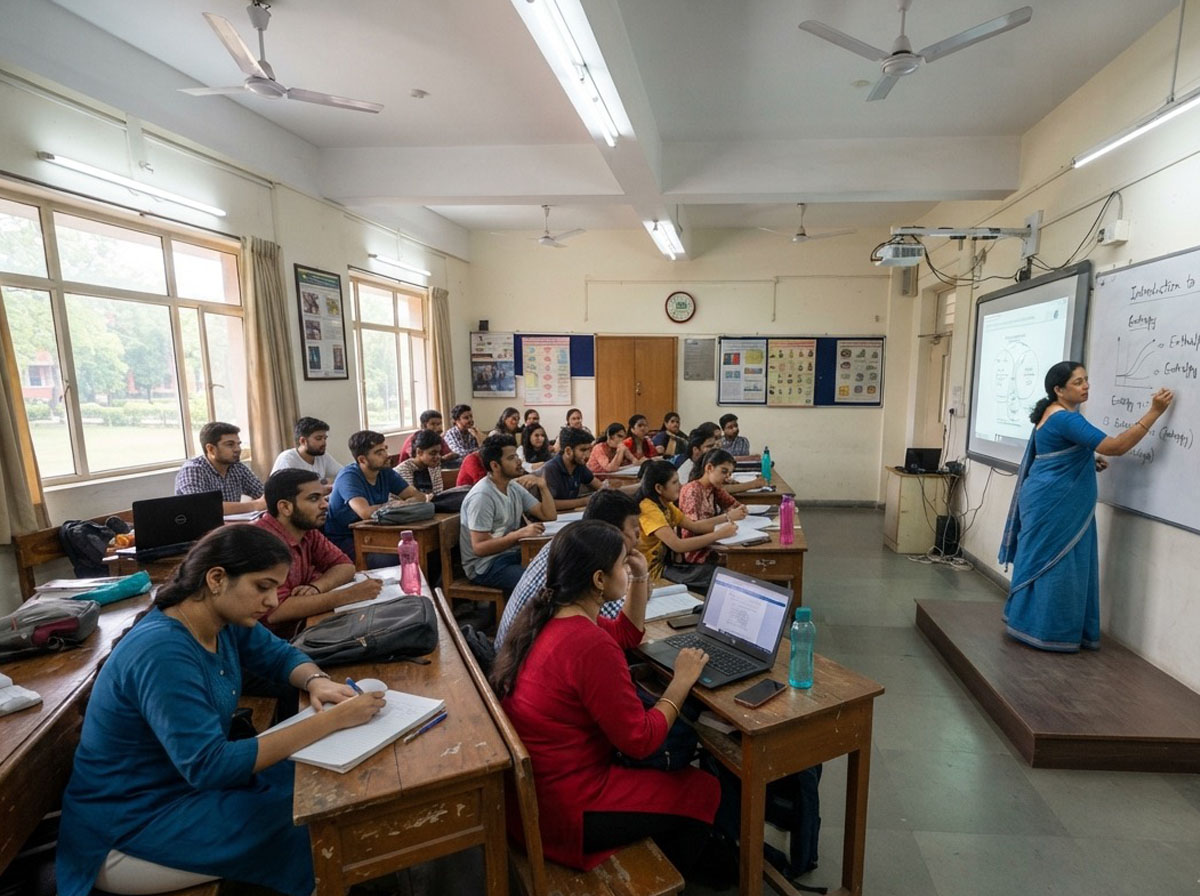
The institution believes in preparing students who are confident, knowledgeable, and ready to contribute meaningfully in rehabilitation and psychological support services.
Admission Process
Step 1: Check PGDRP Eligibility
Applicants must fulfill any one of the following eligibility conditions:
a. Bachelor's Degree (Regular Mode) with General Psychology as a subject in all three years.
OR
b. Master's Degree in any branch of Psychology, obtained through Regular or Distance Mode.
ORc.
Master's Degree in Clinical/Counselling Psychology, obtained through Regular or Distance Mode, with:
Minimum 55% marks in aggregate from a UGC-recognized University.
Minimum 50% marks in aggregate for SC/ST/OBC candidates.
Step 2: Submit the Application
Complete the admission form with the required academic and personal details.
Step 3: Document Verification
Submit the necessary educational certificates and identification documents for verification.
Step 4: Admission Confirmation
After successful verification and completion of the admission process, students receive confirmation of enrollment.
Step 5: Begin Your Learning Journey
Attend orientation sessions and start learning through classroom instruction, practical activities, and professional guidance.
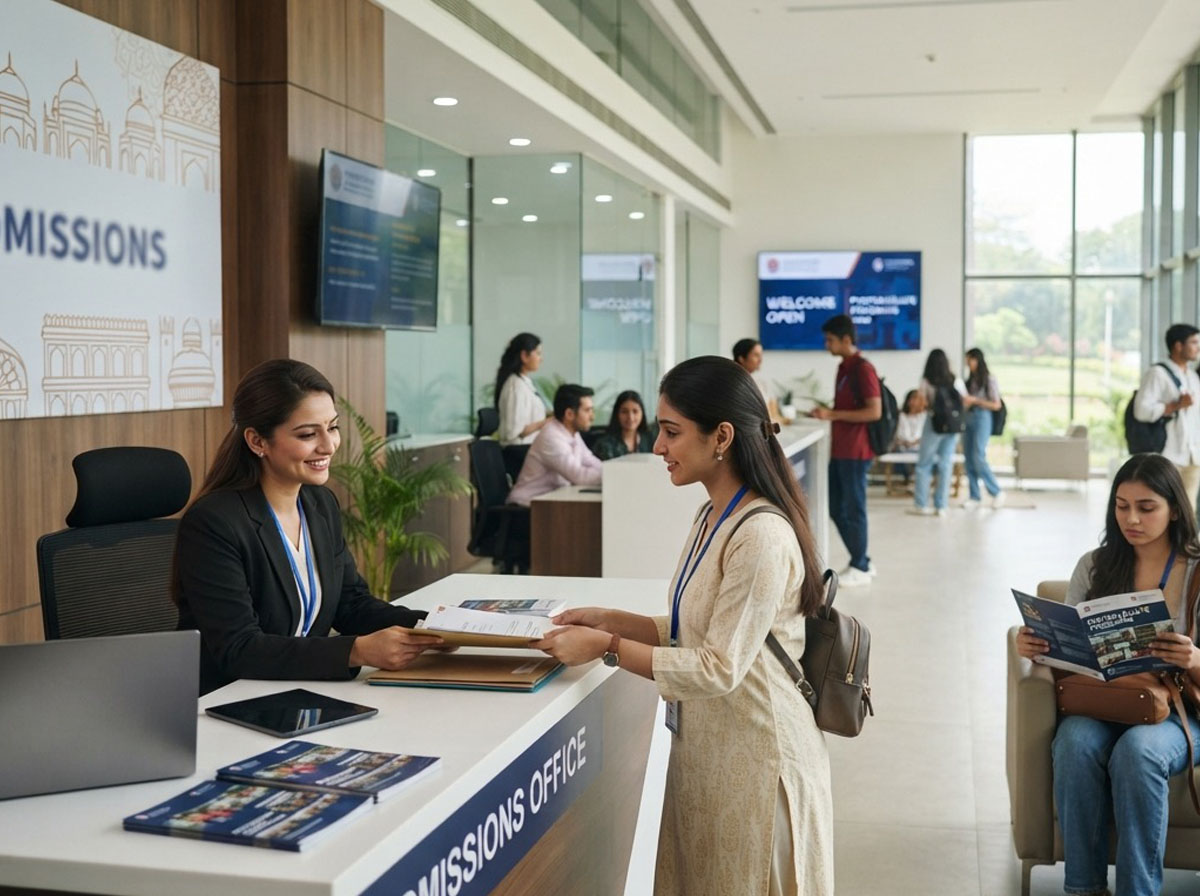
A post graduate diploma in rehabilitation psychology opens doors to several professional fields. Graduates can work in different organisations that require psychological assessment, counselling, and rehabilitation support.
Some of the major employment sectors include:
Hospitals
Work alongside healthcare professionals to provide counselling and rehabilitation support to patients.
Rehabilitation Centres
Support individuals recovering from injuries, disabilities, or psychological conditions.
Schools and Educational Institutions
Assist children with behavioural, emotional, and learning challenges through counselling and guidance.
Mental Health Clinics
Provide psychological support under the supervision of experienced professionals.
NGOs and Social Welfare Organisations
Help communities by supporting individuals with disabilities, trauma, addiction, or emotional difficulties.
Community Rehabilitation Programs
Participate in awareness campaigns, rehabilitation planning, and mental health initiatives.
Research Organisations
Assist in psychological research, behavioural studies, and rehabilitation projects.
Students completing a diploma in rehabilitation studies often pursue careers that involve direct interaction with individuals requiring emotional and psychological support.
Conclusion
The need for trained rehabilitation professionals continues to grow as awareness about mental health and disability support increases. A PGDRP course provides students with practical knowledge, counselling skills, and rehabilitation techniques that prepare them for meaningful careers.
Whether you are interested in counselling, rehabilitation services, healthcare, education, or community development, this psychology post grad diploma can help you build the right foundation. A psychology postgraduate diploma equips learners with valuable professional skills while creating opportunities for continuous learning and career growth.
If you are exploring PG diploma courses psychology after graduation, this program can be an excellent choice for developing both professional expertise and social impact.
Frequently Asked Questions
1. What is the PGDRP course?
The PGDRP course is a specialised rehabilitation psychology program that helps students learn counselling, psychological assessment, rehabilitation planning, and behavioural support. It prepares graduates for careers in healthcare, education, rehabilitation centres, and community organisations.
2. What is the PGDRP eligibility criteria?
Applicants must fulfill any one of the following eligibility conditions:
a. Bachelor's Degree (Regular Mode) with General Psychology as a subject in all three years.
OR
b. Master's Degree in any branch of Psychology, obtained through Regular or Distance Mode.
OR
c. Master's Degree in Clinical/Counselling Psychology, obtained through Regular or Distance Mode, with:
Minimum 55% marks in aggregate from a UGC-recognized University.
Minimum 50% marks in aggregate for SC/ST/OBC candidates.
3. Is a post graduate diploma in psychology useful for career growth?
Yes. A post graduate diploma in psychology can improve career opportunities in counselling, rehabilitation services, mental health support, educational institutions, NGOs, and healthcare organisations while also preparing students for further academic studies.
4. What is the difference between a postgraduate certificate in psychology and a PGDRP course?
A postgraduate certificate in psychology usually provides foundational knowledge over a shorter duration, while the PGDRP course offers more detailed learning in rehabilitation psychology, counselling techniques, practical training, and rehabilitation planning.
5. What careers are available after completing a rehabilitation psychology course?
Graduates may work in hospitals, rehabilitation centres, schools, counselling centres, NGOs, mental health clinics, community rehabilitation programs, and research organisations. The skills gained through a graduate diploma in rehabilitation counselling are valued across many healthcare and social service sectors.
Start Your Career Journey with DIST
If you are looking for a career that combines psychology, counselling, and rehabilitation, the PGDRP course at DIST offers the knowledge, practical exposure, and professional guidance needed to move forward with confidence. Take the next step towards a meaningful profession by enrolling in a program designed to build real-world skills and long-term career opportunities in rehabilitation psychology.
